


Glendale Resale or Goodyear New Build: Which Costs Less?
We’re comparing a resale home in Glendale with a brand-new build in Goodyear. How do warranty coverage, inspection issues, and long-term repair costs really differ between the two in the West Valley?
The difference comes down to when you pay for repairs, how issues are discovered, and who carries responsibility early on. Resale homes in Glendale tend to reveal costs sooner through inspections, while new builds in Goodyear often defer costs through warranties, but shift responsibility back to you over time.
Why this comparison feels deceptively simple
Comparing a Glendale resale with a Goodyear new build looks like a choice between old and new, and that is what makes it deceptively simple. This is usually where buyers expect an obvious answer. New feels safer. Older feels riskier. But in practice, the decision isn’t about age. It’s about timing, documentation, and expectations.
In the West Valley, I slow buyers down here because both options can be good choices for different reasons. What matters is understanding how costs and responsibilities show up so nothing catches you off guard later.
Warranty coverage: what’s actually protected and for how long
New construction warranties sound comprehensive, but they’re very specific. Builder warranties typically cover workmanship for a short period, with longer coverage on major systems or structural elements.
According to the Federal Trade Commission’s guide on new home warranties, most builder warranties follow a predictable structure: one year for workmanship and materials, two years for major systems like HVAC and plumbing, and up to ten years for structural defects. Understanding these tiers, and their limitations, is essential. For a Goodyear new build, that means a finish or workmanship issue you notice in year two may already sit outside the first tier, while a structural defect can still be covered years later.
This is where I help buyers narrow their focus. The key questions are what is covered versus excluded, how long each warranty tier lasts, and how claims must be documented and submitted.
Resale homes usually don’t come with warranties unless a separate home warranty is purchased, but that also means fewer limitations tied to builder-defined standards. A home warranty on a resale is a separate service contract, bought by you or offered by the seller, that covers certain systems and appliances; it is not the same thing as a builder’s warranty. If you are weighing builders in Goodyear, our guide to comparing builder contracts, incentives, and warranties in Goodyear goes deeper on the fine print.
Inspection differences that change your leverage
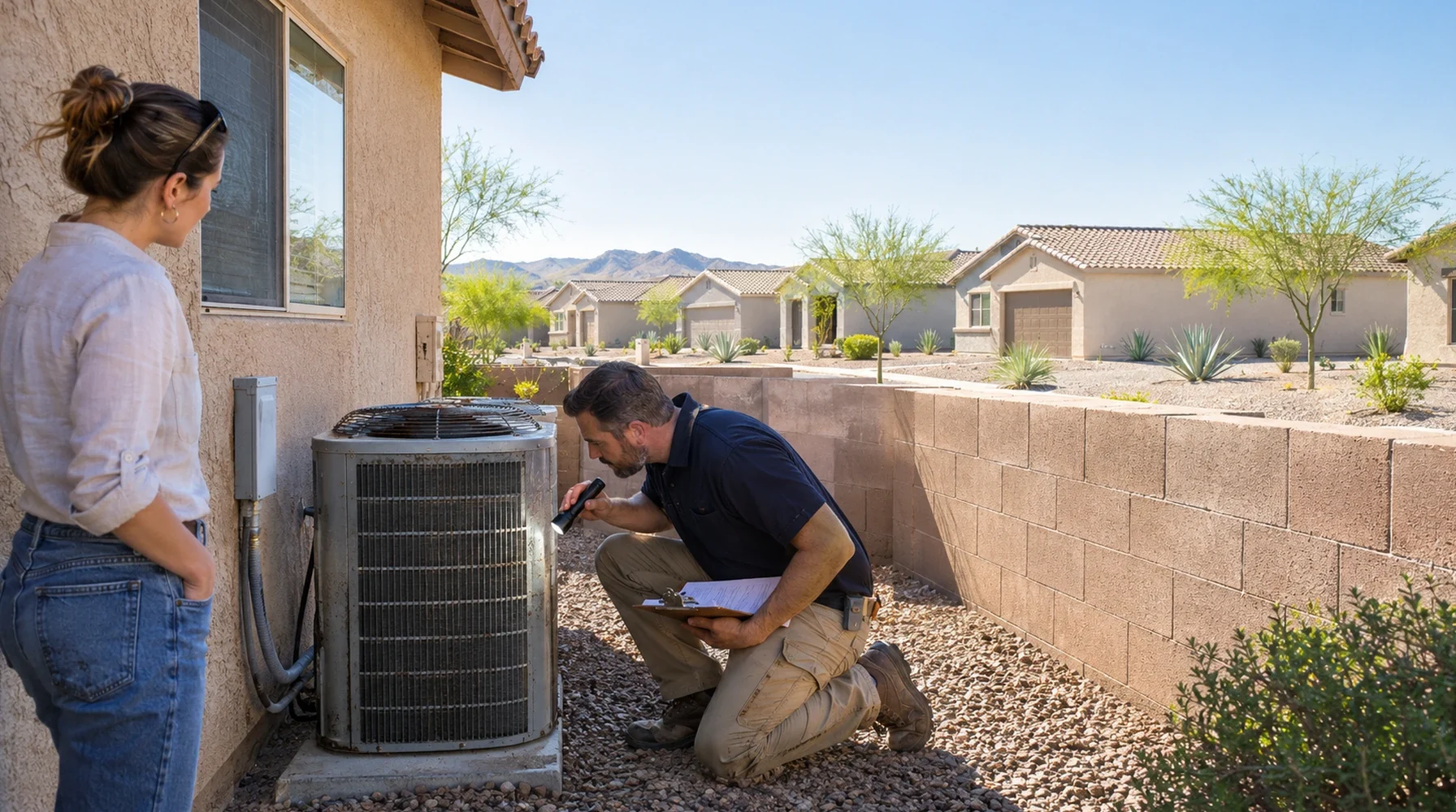
Inspections play very different roles depending on the home type. With a Glendale resale, inspections are designed to uncover wear, deferred maintenance, or aging systems, giving you clarity upfront. According to the National Association of REALTORS®, home inspections help inform buyers and flag costly problems they may not notice until after move-in. In Arizona, that resale inspection happens during the inspection period in the purchase contract, usually 10 days, which is your window to ask for repairs or a credit.
With new builds, inspections are often about confirming quality and catching construction defects. This is where stress tends to show up if expectations aren’t clear. Builders may push back on independent inspections unless your contract explicitly allows them, which is why understanding HOA documents and inspection contingencies matters regardless of whether you’re buying resale or new.
At this stage, I manage expectations carefully so inspections are used as protection, not a point of conflict.
– Gloria B, Buckeye, AZ
Repair timing: upfront clarity versus delayed responsibility
Resale homes usually surface repair needs immediately. Roof age, HVAC condition, plumbing updates: these are visible and negotiable before closing. This is why understanding how to evaluate seller credits versus actual repairs gives resale buyers significant leverage. A seller credit is money the seller agrees to put toward your costs at closing instead of making the repair themselves.
New builds often delay those costs. Systems are new, but once warranties expire, responsibility shifts quickly. Buyers are sometimes surprised by HOA requirements, landscaping issues, or minor construction fixes that aren’t covered long-term.
What I watch for here is whether buyers prefer early clarity or deferred costs with stricter warranty rules.
Long-term repair costs and budgeting reality
Over time, both a Glendale resale and a Goodyear new build require maintenance, but in different patterns. Glendale resale homes may need earlier updates, but many systems have already proven their lifespan.
Goodyear new builds often feel low-maintenance initially, then experience clustered repairs once warranties expire. This isn’t bad. It just requires planning. For resale buyers who want additional protection, home warranty service contracts can provide coverage for major systems and appliances, though the terms and limitations differ significantly from builder warranties.
This is where I help buyers align the choice with lifestyle and budget rhythm, not just purchase price.
How location and build era factor into maintenance
Older Glendale neighborhoods often feature mature infrastructure and established landscaping, which can mean predictable maintenance but higher utility or update costs.
Newer Goodyear communities may include modern materials and efficiency standards, but also HOA obligations and builder-specific construction practices that affect upkeep. Understanding how to budget for repairs and prep costs applies whether you’re buying or eventually selling.
Neither is universally better. The stress comes from assuming one path is maintenance-free. For a wider look at the same trade-off across the region, see our post on new build vs. resale homes in the West Valley.
How I help buyers compare beyond the surface
Comparing a Glendale resale and a Goodyear new build well means asking when costs show up, not which home is safer. This is usually where I step in and carry the weight of the decision. Instead of asking “Which is safer?” I guide buyers to ask: When will costs show up? How much control do I have if something goes wrong? Which option fits how long I plan to stay?
Once those answers are clear, the decision becomes calmer and far more confident.
Frequently Asked Questions About Glendale Resale Homes vs. Goodyear New Builds
Are new construction warranties better than home warranties on resales?
They’re different. Builder warranties are specific and time-limited, while resale home warranties are broader but optional.
Do new builds still need inspections?
Yes. Inspections help document construction quality and protect you if issues arise later.
Which option usually costs less long-term?
It depends on timing. Resales often require earlier investment; new builds may defer costs until warranties expire.
Are repair negotiations easier with resales?
Generally, yes. Resale sellers are more flexible than builders once issues are identified.
How long do builder warranties last on a new build in Goodyear?
According to the Federal Trade Commission, most builder warranties run one year for workmanship and materials, two years for major systems like HVAC and plumbing, and up to ten years for structural defects.
Do resale homes in Glendale come with a warranty?
Resale homes usually don’t come with warranties unless a separate home warranty is purchased, but that also means fewer limitations tied to builder-defined standards.
Can a builder push back on an independent inspection?
Yes. Builders may push back on independent inspections unless your contract explicitly allows them, so read what the builder’s purchase agreement says about your own inspector before you sign.
What should I ask about a builder warranty?
Ask what is covered versus excluded, how long each warranty tier lasts, and how claims must be documented and submitted.
Closing perspective
Choosing between a Glendale resale and a Goodyear new build isn’t about avoiding repairs. It’s about deciding when and how you want to handle them. When buyers understand warranty limits, inspection roles, and long-term cost patterns, the choice feels structured instead of stressful.
Laying out when each cost shows up, and who is responsible for it, is how I help buyers make moves with clarity and confidence instead of guessing which home is safer.
If you want to talk through how a Glendale resale and a Goodyear new build compare for your specific situation, let’s explore your options. You can reach me, Kasandra Chavez with the Chavez Dream Home Team, at 928-910-7401, or grab a time on my calendar.