


How Much to Budget for Repairs Before Selling in Surprise?
As a first-time seller in Surprise, how much should I budget for repairs and prep before listing so my home doesn’t sit on the market?
Most first-time sellers avoid extended days on market by budgeting for targeted repairs and presentation work, usually focused on safety, functionality, and first impressions. The right number isn’t one-size-fits-all; it depends on your home’s condition, your neighborhood expectations in Surprise, and how aggressively you need the home to perform in the first two weeks. Fund the deal-breakers first, then the prep that makes buyers feel confident, and add upgrades only when your comparable sales show buyers expect them at your price.
Why this question feels bigger than “just a budget”
Budgeting for repairs and prep as a first-time seller in Surprise feels bigger than a number because two risks pull in opposite directions. This is usually where stress shows up, because you don’t want to overspend, but you also don’t want to miss the window where your listing gets the most attention.
When I guide first-time sellers in Surprise and across the West Valley, I don’t start with a dollar amount. I start by separating what protects the deal from what just makes the home nicer. That’s how you avoid pouring money into the wrong places.
Step one: treat repairs and prep like three separate buckets
The clearest way for a Surprise seller to budget is to sort every repair and prep item into one of three buckets before spending anything. At this stage, I help sellers narrow their focus to those three buckets, because each one affects “will it sit?” differently.
The first bucket is deal-breakers: functional and safety items. The second is marketability: first impression, cleanliness and consistency. The third is optional upgrades, which only make sense if your price point demands it. When you budget this way, you can spend with intention, rather than chasing every imperfection.
Bucket 1: the “deal-breakers” that commonly stall negotiations
Deal-breakers are the functional and safety problems in a Surprise home that show up on a buyer’s inspection and change the negotiation. This matters most before you list, because functional issues don’t just reduce offers; they create leverage for the buyer later, once the buyer’s inspector has put them in writing during the 10-day inspection period in the Arizona purchase contract.
What I watch for here are items that show up in inspections and trigger big requests:
- Roof and water intrusion: A roof leak or any active water intrusion is one of the first things an inspector looks for and one of the hardest to negotiate around.
- Electrical red flags: Missing GFCI outlets where expected (the outlets with test and reset buttons that cut power near water), exposed wiring or outlets that don’t work all draw attention.
- Plumbing warning signs: Plumbing leaks, signs of a failing water heater and slow drains that point to bigger issues tend to end up on a repair request.
- HVAC performance: In Arizona, buyers pay close attention to cooling performance and maintenance records, so an HVAC concern carries extra weight.
- Exterior safety issues: Loose handrails, trip hazards and broken gates are obvious on a walkthrough and easy for a buyer to put in writing.
Budget approach: If any of these are present, I plan for repair funds first, before cosmetic work. You can stage around dated finishes; you can’t stage around a failing major system once it’s in writing. If you’re not sure what a buyer’s inspector would find, our guide to a pre-listing inspection explains how an inspection before you list can surface these items early.
Bucket 2: the prep that makes buyers feel confident quickly
The second bucket is the cleaning, touch-ups and curb appeal that make a Surprise home feel cared for the moment a buyer walks in. This is the part most sellers underestimate. Buyers decide how they feel about your home in minutes, and then the rest of the showing is them looking for proof they’re right.
In Surprise, where many homes compete within similar layouts and communities, the goal isn’t perfection. The goal is ease: the home should feel clean, cared for, and straightforward to take over. The prep that usually moves the needle falls into five areas:
- Professional-grade cleaning: A deep clean that includes baseboards, windows, grout and odor removal changes how the whole home reads in person.
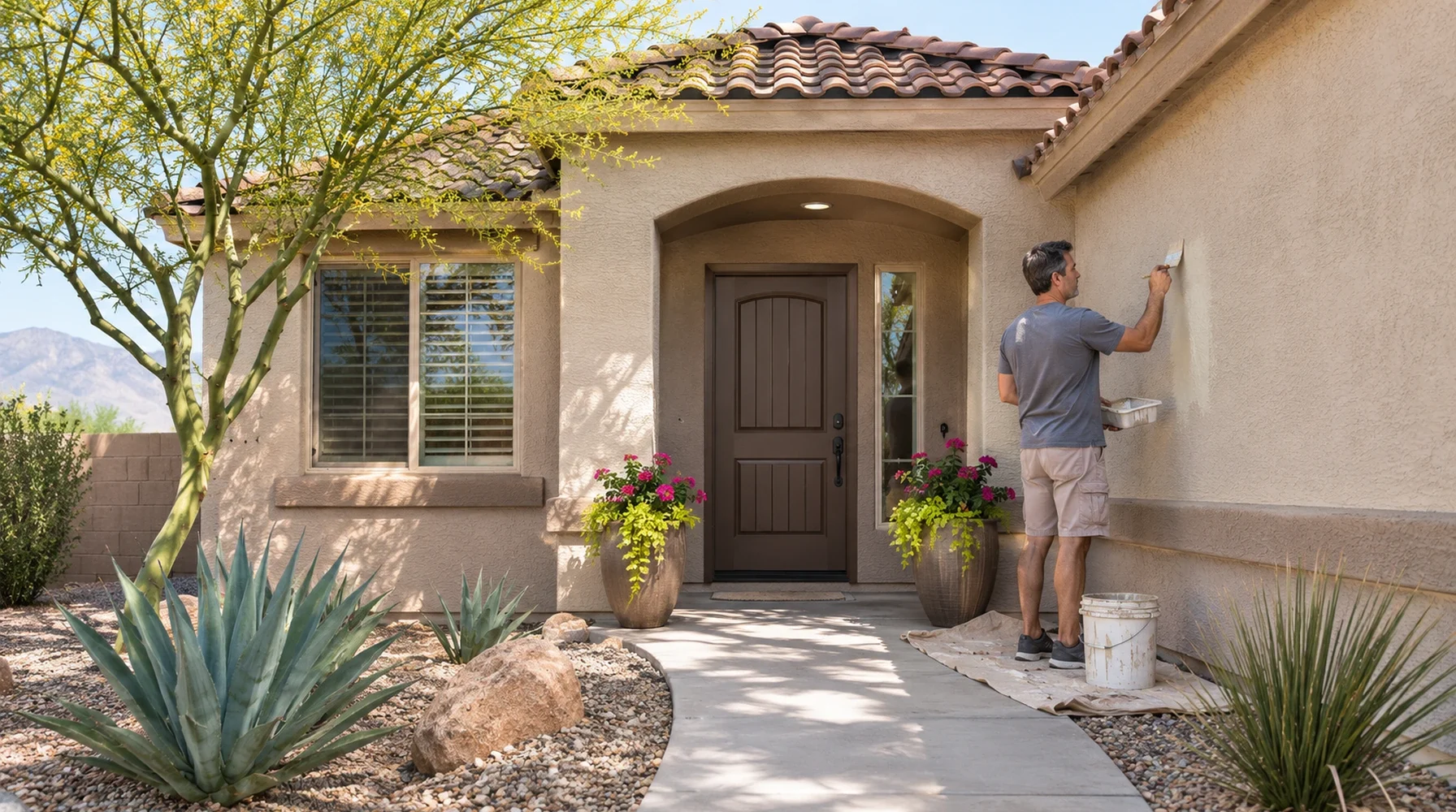
- Touch-up paint: Paint where scuffs are obvious, especially around doors, hallways and trim, removes the small signs of wear buyers notice first.
- Minor handyman fixes: Loose handles, sticking doors, torn screens and missing bulbs are inexpensive to fix and easy for a buyer to read as neglect.
- Yard and exterior refresh: Pulling weeds, edging, replacing dead plants and removing junk sets the tone before anyone reaches the front door.
- Calm, decluttered rooms: Decluttering creates visual space, and the aim is a home that feels calm, not one that looks empty.
This is usually where I slow sellers down: if the home feels half-finished, buyers price in “risk” even when the fix is small. The budget here is about removing friction. In the National Association of REALTORS® 2025 Remodeling Impact Report, painting the entire home was the project REALTORS® most often recommended sellers complete before listing (50%), followed by painting a single interior room (41%). For you, that means the most recommended pre-listing work is also some of the least disruptive: it isn’t about adding massive value, it’s about removing buyer hesitation.
– Amanda A, Anthem, AZ
Bucket 3: upgrades that only make sense if your price point requires it
Upgrades before listing a Surprise home only make sense when the comparable sales at your target price show buyers expect them. Upgrades are where first-time sellers can lose the plot, because it’s easy to assume “if I spend more, I’ll make more.” Sometimes that’s true. Often it’s not.
This is where I help you match upgrades to your likely buyer, using your comps, short for comparable sales: recent sales of similar homes near yours. If your neighborhood comps show updated kitchens and baths at your target price, you may need a plan. If your comps have similar finishes to yours, you don’t need to “win” with renovations; you need to present clean, maintained, and priced correctly.
Some spending is high-risk without a clear payoff: a full kitchen remodel right before listing, major flooring replacement when the current flooring is clean and serviceable, and over-customized features that don’t match local buyer expectations. If you want to improve ROI without overcommitting, I look for controlled upgrades: lighting consistency, modern hardware, fresh neutral paint where needed, and small exterior updates that strengthen curb appeal.
The number sellers actually need: a practical budgeting method
The number a first-time seller in Surprise actually needs comes from three layers added in order, not from a single guess. Rather than guessing, here’s the budgeting method I use with first-time sellers so you can see the moving pieces clearly.
1) Start with a “minimum viable listing” budget
This first layer covers what prevents the home from sitting due to avoidable objections: cleaning and declutter support, minor repairs and touch-ups, and a basic curb appeal refresh. It’s the floor, the money that makes the home ready to show.
2) Add a “deal-protection” reserve
This second layer is not for upgrades. It’s for the surprises that appear once you’re under contract: small inspection requests that are reasonable to address, documentation needs such as service receipts and HOA items, and last-minute items discovered during buyer walkthroughs. Setting it aside before you list means a reasonable repair request doesn’t turn into a scramble.
3) Decide if your price strategy requires an “upgrade” line item
Only after steps 1 and 2 are clear do we decide whether upgrades matter for your target price bracket.
This is where expectations get calmer: you’re no longer asking “How much should I spend?” You’re asking, “What’s the most strategic use of money for this home in this Surprise market?”
What makes Surprise prep decisions a little different
Prep decisions in Surprise are shaped by how closely homes compete with each other. Surprise has a mix of newer builds, HOA communities, and similar floorplans competing against each other. That means buyers compare quickly, and they notice patterns.
Three local patterns shape the budget. The first is consistency: if one room looks updated and the rest looks neglected, buyers get cautious. The second is HOA and exterior standards: curb appeal isn’t optional when the neighborhood has a shared look and feel. The third is price-point expectations: in some pockets, buyers expect move-in ready; in others, they’ll accept cosmetic dated finishes if the home feels maintained.
Your goal is not to outspend your neighbors. Your goal is to remove the reasons a buyer hesitates. Understanding common pricing mistakes that cause homes to sit can help you align your prep budget with market expectations, because even a beautifully prepared home won’t sell if it’s overpriced.
The biggest mistake: budgeting for “Pinterest” instead of buyer objections
The biggest budgeting mistake a Surprise seller can make is spending on style instead of on the specific things that make buyers hesitate. If your home sits, it’s usually not because the paint color wasn’t trendy.
It’s because buyers saw one of four things: the home felt unmaintained, even if it wasn’t; the photos didn’t match the showing condition; the price didn’t match the prep level; or the inspection risk felt high, real or perceived.
This is where I protect first-time sellers: we align prep with pricing so your listing looks intentional, not “we tried.” Redfin’s home inspection preparation guide recommends doing the small, high-impact fixes first, like replacing burned-out bulbs, fixing slow drips and minor leaks, and making sure appliances work, to keep small issues from being flagged as larger concerns. Each of those costs little, and each one removes a line from the inspection report a buyer could use to ask for more. If you’re selling from a distance, the same thinking applies to deciding whether to update or sell a Surprise second home as-is.
Frequently Asked Questions About Repairs and Prep Budgeting for First-Time Sellers in Surprise
Do I need to fix everything before listing?
No. Prioritize safety, function, and first impressions. Many cosmetic items can be handled through pricing and presentation, not perfection.
Should I do a pre-listing inspection?
It can help if you suspect hidden issues or you want fewer surprises later. It’s not required for every seller, but it’s useful when uncertainty is high. A pre-listing inspection helps you identify deal-breakers before buyers do, giving you control over which repairs to address upfront.
What if I can’t afford all the recommended prep?
Then we triage. I’d rather see you complete fewer, high-impact items than scatter spending across low-impact upgrades.
Will repairs always raise my sale price?
Not always. Many repairs protect the deal and reduce concessions later. The goal is often to protect net proceeds and reduce friction, not “add value” on paper. In NAR’s 2025 Remodeling Impact Report, a new steel front door had the highest estimated cost recovery, at 100%.
What’s the best way to avoid the home sitting once it’s live?
Match prep level to the list price and market competition, and make sure the home shows clean, consistent and easy to take over from day one. If you’re coordinating a simultaneous sale and purchase, having your home properly prepped from day one minimizes delays and keeps your timeline on track.
Which repairs should a Surprise seller fix first?
Start with functional and safety items: roof leaks, electrical red flags, plumbing leaks, HVAC concerns and exterior safety hazards. These show up on inspections and give buyers leverage if they are left unaddressed.
What is a deal-protection reserve?
It is money you set aside before listing for surprises once you’re under contract, such as small, reasonable inspection requests, documentation like service receipts and HOA items, and items found during buyer walkthroughs.
Do I still have to disclose problems I don’t fix?
Yes. In Arizona you complete the Seller’s Property Disclosure Statement (SPDS), the form where you tell the buyer what you know about the home’s condition, whether or not you make repairs.
Closing Thoughts: Budget for clarity, not for perfection
The most strategic prep budget is the one that removes buyer hesitation and protects your negotiating position, without turning your listing into a renovation project.
When you break the work into deal-breakers, marketability, and optional upgrades, the process becomes calmer. You’re not guessing. You’re sequencing decisions, and that’s what keeps first-time sellers in control. Giving you clear, personalized guidance on where each dollar goes is how I help first-time sellers make their move with clarity and confidence.
If you want to talk through what to budget for repairs and prep on your specific Surprise home, let’s chat. You can reach me, Kasandra Chavez with the Chavez Dream Home Team, at 928-910-7401, or grab a time on my calendar.