


Seller Credit or Repairs: Which Is Better in Goodyear?
Should Goodyear, AZ buyers take a seller credit or push for repairs before closing?
The decision depends on the type of repair, lender requirements, timing, and risk transfer. Some repairs are safe to handle after closing with a credit, while others should be completed before closing to avoid financial or functional exposure.
A seller credit is money the seller agrees to put toward your side of the transaction at closing instead of fixing an item themselves. In an Arizona resale purchase on the AAR contract, this conversation usually happens during the inspection period, which is typically 10 days, so the choice you make in that short window shapes what you inherit when you get the keys to your Goodyear home.
Why this decision feels heavier than buyers expect
Choosing between a seller credit and repairs feels heavy for Goodyear buyers because it decides who carries the risk once the home is yours. This is usually where I slow buyers down.
By the time inspection negotiations begin, you’re already emotionally invested and mentally preparing for closing. A seller credit sounds simple, but it quietly shifts responsibility to you after you own the home.
What creates stress isn’t the repair itself. It’s uncertainty about what you’re inheriting and whether you’ll have the resources and time to handle it properly after closing.
What a seller credit really means in practice
A seller credit does not fix the problem. At this stage, I help buyers narrow their focus to where the money actually goes. Most credits are applied to closing costs or prepaid expenses like property taxes and insurance, not handed to you as repair cash.
Accepting a seller credit on a Goodyear purchase changes four things for you:
- Repairs move to you: Repairs happen after you own the home, on your schedule and with your money up front.
- Costs can grow: Costs may exceed expectations once contractors provide final bids.
- Timing is yours: Contractor timing becomes your responsibility once the seller has walked away.
- Leverage disappears: You lose leverage to ensure the work gets completed.
Credits provide flexibility, but they also move risk. According to the National Association of REALTORS®, buyers should understand that repair credits shift the responsibility for ensuring work quality and completion entirely to them after closing.
Understanding how timing works when you’re coordinating a simultaneous sale and purchase becomes especially important when repair credits delay your ability to move in comfortably.
When keeping the seller credit usually makes sense
Keeping a seller credit usually makes sense for Goodyear buyers when the issues are small and the lender does not require them to be fixed. What I watch for here is scope and urgency.
Seller credits tend to work best when the issues are cosmetic, minor, non-structural, and not required by the lender. Examples include worn fixtures, small drywall repairs, or cosmetic wear. In these cases, buyers often prefer control over who completes the work and when, and a small surprise on a drywall patch will not change whether the home is safe or livable.
The National Association of REALTORS® notes that distinguishing between repairs that are truly necessary versus those that are preferential helps both buyers and sellers reach reasonable agreements during negotiations.
– Christopher, Goodyear, AZ
When pushing for repairs before closing is safer
Pushing for repairs before closing on a Goodyear home is safer when the problem affects safety, structure, major systems, or your loan. This is where stress tends to show up if expectations aren’t clear.
Repairs should usually be completed before closing when they involve:
- Safety concerns: Anything that puts the people living in the home at risk should be resolved before you own it.
- Structural elements: Problems with the home’s structure are too large and uncertain to price into a credit.
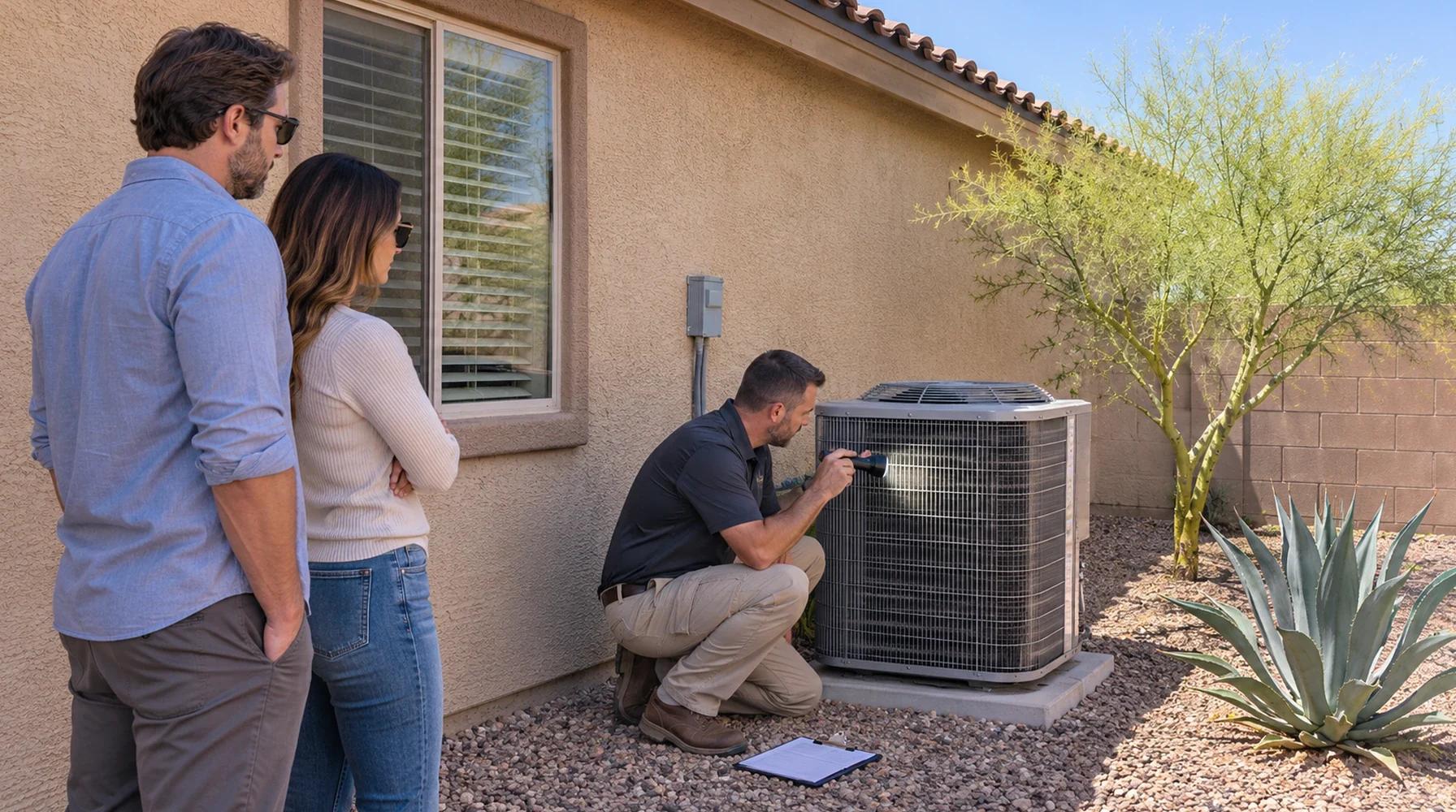
- Major home systems: Roof, HVAC, plumbing, or electrical issues belong on the seller’s side of closing.
- Lender or insurer items: Items required by the lender or insurer have to be handled before the loan or the policy can go forward.
At this stage, I help buyers focus on risk exposure, not convenience. Once you close, leverage disappears. The seller no longer has financial motivation to address problems, and you own a home that may not be immediately livable or insurable.
When buyers understand the data behind repair negotiations and the market standards for what sellers typically address, decisions become strategic rather than emotional. That clarity protects your investment and your peace of mind.
How loan type changes the equation completely
Your loan type can take the credit-versus-repair choice out of your hands on a Goodyear purchase, because some loans require repairs to be finished before closing. Not all loans treat credits equally, and this is where many buyers get blindsided.
What I watch for here is compliance. FHA, VA, and some conventional loans require certain conditions to be met before closing, regardless of credits offered.
For example, FHA and VA loans have strict Minimum Property Requirements that must be addressed before the loan can close. These requirements focus on safety, security, and structural soundness, and lenders will not approve the loan until repairs are completed. In plain terms, a credit cannot stand in for a repair your loan requires.
VA loans require properties to meet specific standards that protect Veterans from purchasing homes with safety or structural issues. While buyers and sellers can negotiate who pays for required repairs, the work must be completed before closing.
This is where buyers can get stuck late if repair requirements aren’t addressed early. I walk buyers through their loan type’s specific requirements during the inspection period so there are no surprises at closing.
Similar attention to detail matters when reviewing HOA documents before removing your inspection contingency. Both require understanding legal requirements, not just seller promises.
Timing matters more than buyers expect
Timing matters in the credit-versus-repair decision because a credit delays the fix until after you move into your Goodyear home. Credits delay resolution, and timing affects your first weeks in the home.
At this stage, I help buyers assess real-world timing. Coordinating contractors immediately after moving in can create stress, delays, and additional expense. Pre-closing repairs often create a cleaner transition because the seller maintains responsibility and motivation, the work can be verified before you take ownership, your closing isn’t delayed by urgent repairs you’re scrambling to schedule, and you move into a home that’s actually ready.
When repairs are completed before closing, you can confirm during your final walk-through that the work was done properly. With a credit, you’re trusting that contractors will be available, that bids were accurate, and that your credit amount will actually cover the full cost.
This decision affects whether you spend your first month settling in or managing unexpected repair issues.
How this plays out in the Goodyear market specifically
In Goodyear, unresolved repairs can follow the home into the appraisal and into your own future sale, which is why pre-closing repairs often protect you better. Goodyear buyers often expect move-in-ready homes, and that expectation is reasonable given local market standards.
What I watch for locally is buyer and appraiser perception. Unresolved issues, even with credits, can raise concerns about condition, value, or future resale. Appraisers assess homes based on their current condition, not on promises of future repairs.
If significant issues remain unresolved at closing, it can affect your appraisal value and create problems if you need to sell within a few years. Understanding how condition and pricing interact helps buyers see why pre-closing repairs often protect long-term value better than credits.
This is where strategic clarity matters more than squeezing concessions. The goal isn’t to extract the maximum credit. It’s to ensure you’re buying a home that won’t create financial stress or regret after closing.
I use market data and comparable sales to show buyers how similar repairs were handled in recent Goodyear transactions, so decisions are informed by real outcomes, not guesswork. If you are also weighing a builder’s financing offer against a resale home, our look at a new build buydown versus resale at full rate in Goodyear walks through that comparison.
Frequently Asked Questions About Seller Credits vs Repairs Before Closing
Is a seller credit the same as cash?
No. Credits usually reduce closing costs or prepaid expenses like taxes and insurance, not provide repair funds directly in hand.
Can I request both repairs and a credit?
Sometimes, but sellers usually agree to one approach. Asking for both can create negotiation friction and may not be necessary if one strategy protects you adequately.
Do credits affect appraisal?
Condition still matters, regardless of credits. The appraiser evaluates the home as it exists during the appraisal, and deferred repairs can impact value.
What if repairs aren’t done correctly before closing?
Pre-closing repairs can be documented, inspected, and verified during your final walk-through. If work is incomplete or substandard, you have leverage to delay closing until it’s corrected.
Can lenders limit credits?
Yes. Limits vary by loan type and can include caps on seller concessions or requirements that certain repairs be completed rather than credited.
How do I know which repairs are actually required by my lender?
Your lender will review the appraisal and inspection reports and provide a list of required repairs. FHA and VA loans have stricter requirements than conventional loans.
When does keeping a seller credit make sense in Goodyear?
A credit tends to work best when the issues are cosmetic, minor, non-structural, and not required by your lender, such as worn fixtures, small drywall repairs, or cosmetic wear you would rather fix on your own schedule.
Which repairs should be finished before closing?
Safety concerns, structural elements, the roof, HVAC, plumbing, or electrical systems, and anything your lender or insurer requires are usually safer completed before closing, while the seller still has a reason to fix them.
Conclusion: Protection matters more than convenience
This decision isn’t about which option feels easier in the moment. It’s about which option protects you after ownership transfers and the seller walks away.
When buyers understand risk, timing, loan requirements, and local market expectations, the credit-versus-repair choice becomes clear instead of stressful. The right answer depends on your specific situation, loan type, and the nature of the repairs.
My approach is to let the data lead us: what do comparable transactions show about how these repairs were handled? What does your loan type actually require? What do contractor bids reveal about real costs? Then we make strategic decisions that protect your investment and your peace through what could otherwise be an overwhelming process. I provide weekly updates throughout the process and help buyers make informed decisions based on market data, not pressure tactics, so you can make your move with clarity and confidence.
If you’re buying in Goodyear and want to talk through whether a seller credit or pre-closing repairs better protects you on your specific home, let’s chat. You can reach me, Kasandra Chavez with the Chavez Dream Home Team, at 928-910-7401, or grab a time on my calendar.