

Keep Your Peoria Home as a Rental & Move Up to Northpointe?
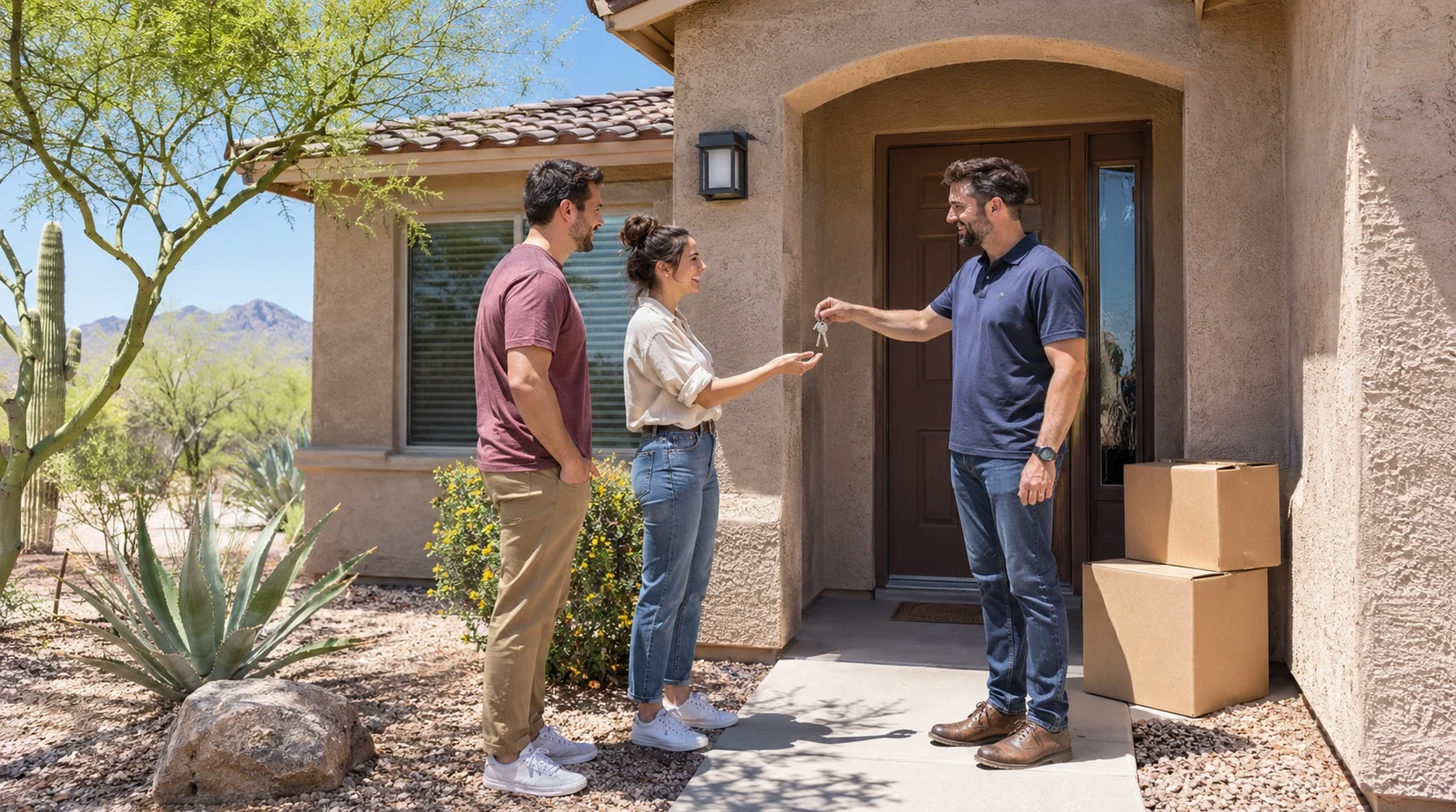
With rents rising in the central North Phoenix corridor near TSMC, is it realistic to keep my current Peoria starter home as a rental and move up to Northpointe at Vistancia, or will that stretch my budget too far?
It can be realistic, but only if the numbers work on three fronts at once: the rent your current home would actually command after real expenses, the down payment and payment you’d carry on a move-up Northpointe home, and your cash cushion for vacancies and repairs. The TSMC-driven demand in the corridor is a real tailwind for rents, but it doesn’t override your own budget math, so the answer depends far more on your specific numbers than on the headlines.
This is one of the most appealing ideas in North Peoria right now: don’t sell the starter home, rent it out while job growth pushes rents up, and trade up into a newer home in a community like Northpointe at Vistancia. It can absolutely be a smart wealth-building move. It can also quietly overextend a household that didn’t pressure-test the plan. This is usually where I slow buyers down, because “keep it as a rental” sounds simple and the actual math has more moving parts than people expect.
The Tailwind Is Real, But It’s Not the Whole Story
The rental demand story in the North Phoenix corridor around TSMC is legitimate. The TSMC campus in North Phoenix has grown into one of the largest investments in Arizona’s history, and the surrounding employment growth supports steady rental demand in the central North Phoenix and North Peoria area. That’s a genuine reason your current Peoria home might rent well and hold tenants.
But a strong rental market only helps if your specific home, at your specific payment, pencils as a rental after the costs landlords actually carry, not the gross rent on a listing. What I watch for here is a buyer who’s counting the top-line rent and skipping the expenses underneath it. The tailwind improves your odds; it doesn’t guarantee the plan works for your budget.
Run the Real Landlord Math, Not the Listing Rent
Before you decide whether your Peoria starter home works as a rental, the honest exercise is to subtract everything from that rent number. A realistic rental analysis takes six costs out of the rent before anything is left for you:
- Mortgage payment: The loan on the home you’re keeping stays due every month, whether or not a tenant is paying.
- Taxes and insurance: Property tax and insurance stay with you as the owner, and both can change once the home becomes a rental.
- Property management: If you won’t self-manage, a property manager’s fee comes out of every rent payment.
- Maintenance: Repairs and routine upkeep continue, and as the landlord they are your bill rather than the tenant’s.
- Turnover costs: Each time a tenant moves out, cleaning, touch-ups and finding the next tenant all cost money.
- Vacancy allowance: Set money aside for the weeks or months the home sits empty between tenants.
Whatever’s left is your actual monthly contribution, and sometimes it’s break-even or slightly negative even in a strong market, which is fine if you’re holding for appreciation but dangerous if you needed it to fund the new home.
The rent number itself deserves the same care. Base your estimate on recently closed leases for homes like yours, not on asking rents or headlines. If you’re still deciding between the two paths, whether to sell your house now or rent it out walks through that choice.
There are also tax and rule considerations to converting a primary residence into a rental that are worth understanding before you commit; this is the kind of decision where a quick conversation with a CPA pays for itself. Two Arizona examples show why. State law requires owners of residential rental property to register it with the county assessor, according to the Maricopa County Assessor. And once your home is a rental rather than your primary residence, the Assessor’s property class rules move it to a rental class that cannot receive the Homeowner Rebate, a state credit on the property tax bill of a primary residence. For your rental math, that means planning for a higher property tax bill than the one you pay as an owner-occupant. Thinking through the landlord side carefully, including local rules, expenses, and tax issues, is the part most people skip, and it’s exactly where the plan either holds together or falls apart.
– Vallarie Reynoso
The Move-Up Side: Down Payment Is the Hinge
Keeping your Peoria starter home means you’re not pulling equity out of it to fund a Northpointe purchase, and that’s the catch most people hit. Equity is the share of the home’s value you own outright after the loan, and it’s usually the biggest source of a move-up down payment. If your equity is tied up in the rental, your down payment on the Northpointe home has to come from savings instead.
Northpointe at Vistancia is the newest village in the 7,100-acre Vistancia master plan in North Peoria, with active builders and current floor plans, and it’s a genuine step up from a starter home. But qualifying to carry both loans, plus funding a down payment without your starter-home equity, is the real test of whether this plan fits your budget. Lenders will look at how they count the projected rental income, and that treatment can meaningfully change what you qualify for, so ask your lender exactly how much of the expected rent they will count and what paperwork they need. This is where understanding what it actually costs to buy into a community like this, and how a new-construction purchase is structured, keeps the move-up grounded in reality instead of optimism.
When This Plan Works, and When It Doesn’t
Keeping a Peoria rental while moving up to Northpointe works for households that usually share a few traits: enough savings to put down on the new home without touching the rental’s equity, comfortable qualifying for both payments, and a cash reserve that can absorb a vacancy or a major repair without panic. For them, holding a North Phoenix-area rental through a period of strong employment growth while moving up is a sound long-term play. The households it strains are the ones depending on the rent to make the new payment work, with thin reserves and no margin for a tenant gap. At this stage I help clients narrow the question to one thing: if the rental sat empty for a couple of months and the new home needed a repair in the same stretch, would you be fine, or would you be in trouble? Your honest answer to that usually tells you whether to keep the starter home or sell it and roll the equity forward instead.
There’s also a human side to this that the spreadsheet misses: becoming a landlord is a job, not a passive checkbox. You’re taking on tenant screening, maintenance calls, the occasional vacancy, and the paperwork and bookkeeping that come with a rental, and if you’d be managing it from a new home across town while juggling a move, that workload is real. Some owners genuinely enjoy it and treat it as a long-term business; others realize a year in that it wasn’t for them. It’s worth being honest with yourself about which one you are before you commit.
The good news is the decision isn’t permanent: keeping the starter home now doesn’t lock you into being a landlord forever, and you can always sell it later and roll that equity into the next thing if the rental life isn’t a fit. Our look at whether to sell a rental property now or keep it covers that later decision, and trading up from Mystic to Northpointe at Vistancia lays out a longer trade-up plan. One practical sequencing tip: have the lender conversation about how your rental income will be counted, and sort out the rental-conversion details, before you write an offer on a Northpointe home, not after. Knowing what you actually qualify for up front keeps the whole plan grounded.
Frequently Asked Questions About Keeping a Peoria Rental and Moving Up to Northpointe
Is keeping my Peoria home as a rental a good idea with TSMC nearby?
The corridor’s employment growth supports steady rental demand, which helps. But whether it’s a good idea for you depends on the home’s net rent after expenses, your reserves, and whether you can fund the next purchase without the rental’s equity.
How do I know if my home will cash flow as a rental?
Start from realistic rent, then subtract the mortgage, taxes, insurance, management, maintenance, turnover, and an allowance for vacancy. What’s left is your true monthly result, sometimes break-even even in a strong market, which is fine only if you’re holding for appreciation.
Can I qualify to buy in Northpointe at Vistancia while keeping a rental?
It depends on your income, reserves, and how your lender counts projected rental income. Because your equity stays in the rental, your move-up down payment usually has to come from savings, which is the key constraint to test early.
Should I sell my starter home instead of renting it?
If you’d be depending on the rent to afford the new payment with thin reserves, selling and rolling your equity into the move-up home is often steadier. If you have savings to put down separately and a cash cushion, holding the rental can build long-term wealth.
Do I have to register my Peoria rental with the county?
Yes. Arizona law requires owners of residential rental property to register it with the county assessor. For a Peoria home, that is the Maricopa County Assessor, which offers online registration.
Will my property taxes go up if I rent out my Peoria home?
Plan for it. Once the home is a rental rather than your primary residence, it moves to a rental property class that cannot receive Arizona’s Homeowner Rebate, a state credit on a primary residence’s property tax bill.
What is Northpointe at Vistancia?
Northpointe at Vistancia is the newest village in the 7,100-acre Vistancia master plan in North Peoria, with active builders and current floor plans, and it’s a genuine step up from a starter home.
Should I talk to a CPA before renting out my home?
Yes. Converting a primary residence into a rental has tax considerations, and a quick conversation with a CPA before you commit is the kind of step that pays for itself.
The Bottom Line
Keeping your Peoria starter home as a rental while moving up to Northpointe at Vistancia can be a strong move, and the North Phoenix corridor’s employment growth gives the rental side a real tailwind. But the headlines don’t pay your mortgage. The plan stands or falls on three numbers: the home’s true net rent after all expenses, your ability to fund a move-up down payment without the rental’s equity, and your reserve for the months when something goes wrong. Run those honestly and you’ll know whether this builds wealth or stretches you thin. If the math is comfortable, it’s a smart long-term play; if it’s tight, selling and rolling your equity into the next home is often the steadier path.
Pressure-testing those three numbers before you write an offer is how you make this move with clarity and confidence. That’s the clear, personalized guidance I bring to every move-up client, built around today’s market and your unique situation, whether you’re ready to buy or just exploring your options.
If you want to talk through how keeping your Peoria home as a rental fits with a move up to Northpointe at Vistancia for your specific situation, let’s chat. You can reach me, Kasandra Chavez with the Chavez Dream Home Team, at 928-910-7401, or grab a time on my calendar.